You'll find that standard building methods silently address problems you really did not understand you had: regional materials that architecture firm near me reduced costs and embodied energy, passive methods that maintain comfort without continuous mechanical input, and joinery that ages well and is simple to repair. These methods likewise anchor jobs in position and craft, however they require cautious assimilation with contemporary systems to open their full capacity-- so where do you begin?Why Vernacular
Products Issue for Performance and Cost
When you choose vernacular materials, you take advantage of neighborhood performance benefits-- thermal mass, breathability, and moisture policy-- that frequently outmatch imported options in their native climates. You'll take advantage of typical craftsmanship and construction strategies that match materials to place, boosting efficiency and sturdiness while reducing lifecycle maintenance.Local sourcing reduces transportation expenses and supports cost-efficiency, so budgets extend farther without compromising quality. You retain cultural value and historic preservation by repairing as opposed to changing, maintaining heritage skills alive.Using tested vernacular materials allows you design with intrinsic thermal mass and moisture control, reducing mechanical lots. That approach needs knowledgeable labor knowledgeable about specific techniques, but it repays in resilient structures that age beautifully and cost less to operate and keep.< h2 id =" passive-climate-strategies-that-still-outperform-modern-systems"> Easy Climate Methods That Still Outperform Modern Systems Since typical passive approaches tune structures to regional environments, they can decrease or even replace mechanical
systems while boosting convenience and resilience.You'll find that vernacular architecture shows easy design concepts: solar orientation lets you harvest winter season sunlight and avoid summer
gain, while thick wall surfaces and thermal mass stabilize indoor temperatures.Traditional craft educates insulation strategies that collaborate with breathable products, not against them.You'll use operable windows and calculated openings for all-natural air flow and stack effect cooling, and daylighting to reduce electrical tons and boost well‑being. By incorporating these components you'll develop low‑energy buildings that perform accurately without complex HVAC.Embracing these methods attaches modern jobs to time‑tested services that conserve energy and endure. Craftsmanship and Joinery: Resilience Past the Guarantee Duration Although modern schedules
push for faster turn-arounds, proficient joinery allows you build components that remain functional long after guarantees run out.
You'll discover standard craftsmanship in millwork that resists wear because craftsmen use heritage techniques and woodworking understanding that devices can not replicate.When you define handmade components, you're banking on sturdiness and long life: tight-fitting joints, mortise-and-tenon assemblies, and detail-oriented construction that tolerate motion and age with dignity. That strength reduces fixing cycles and lifecycle costs, and it gives occupants an enduring feeling of quality.You need to focus on suppliers who document approaches and resource seasoned hardwood, and you should permit time for craftsmen to tune settings up on website. In doing so, you protect building worth and honor tried and tested construction wisdom.Integrating Conventional Kinds With Contemporary Technologies Experienced joinery lays a sensible structure for blending typical kinds with contemporary modern technologies, due to the fact that the very same focus to fit and motion lets you marry handmade elements to modern systems without endangering performance.You can make use of typical craftsmanship to educate material choices and detailing so materiality reads regularly across old and new work.In crossbreed construction, stonework bases or timber frameworks coexist with steel and services when you work with resistances and interfaces early.Rely on craft-based techniques for handcrafted information that conceal channels, sensing units, or cooling and heating while maintaining conservation concepts intact.In flexible reuse jobs, that balance protects personality as you introduce 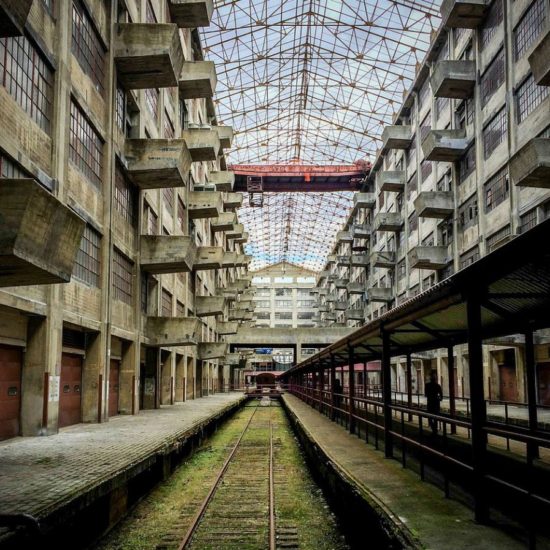
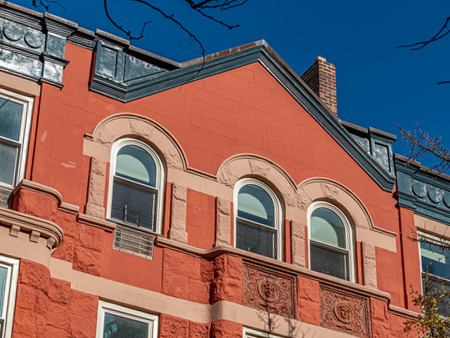
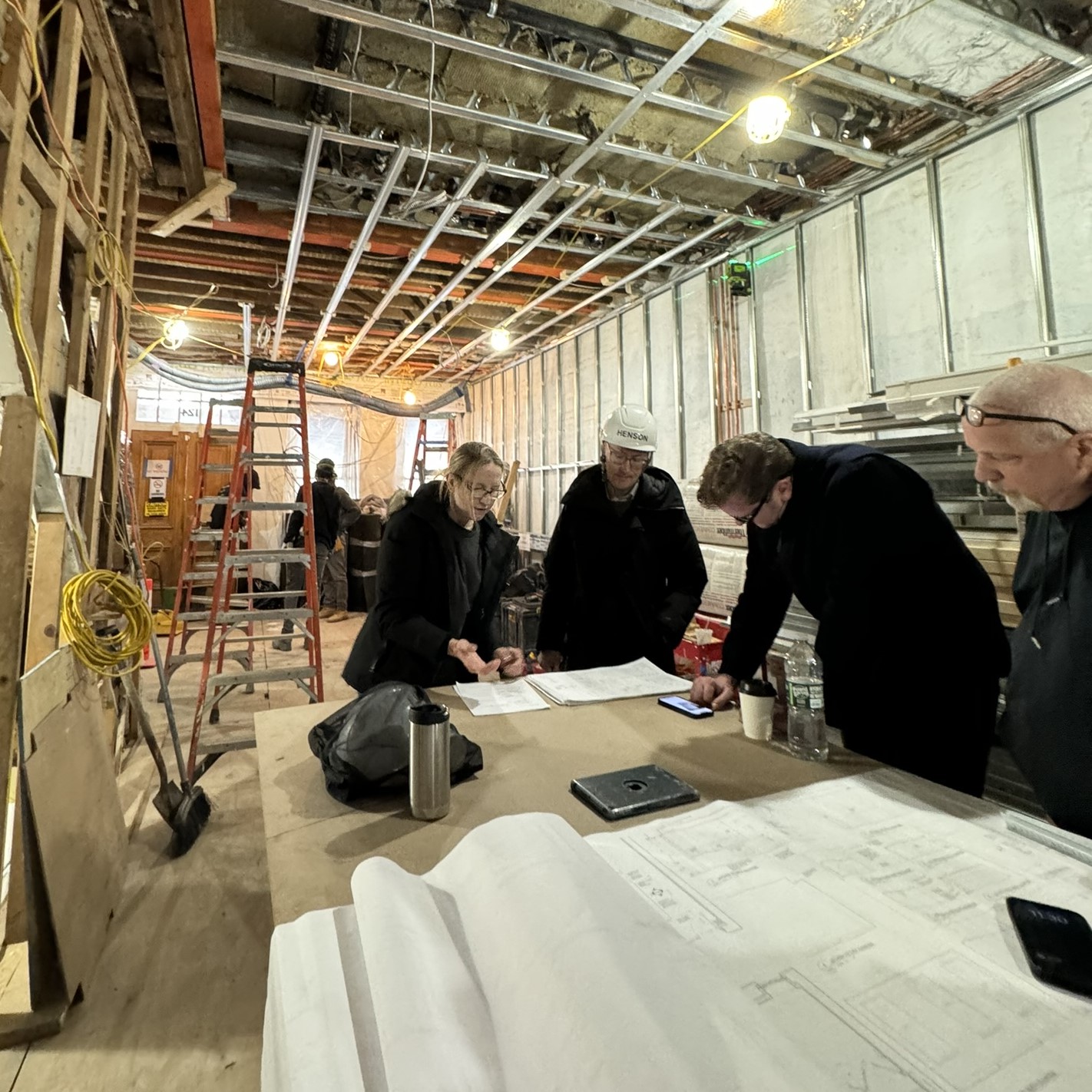 technological combination-- embedded electrical wiring, discreet controls, and efficiency glazing-- so the structure performs to existing standards however still talks to legacy percentages and tactile richness.Social and Social Benefits of Heritage-Informed Design When you foreground heritage-informed design, areas reclaim greater than façades: they recuperate memory, identification, and daily methods that secure social life.You'll see heritage workmanship and conventional materials stimulate public areas, enhancing neighborhood identification and place-making. By selecting adaptive reuse and genuine restoration, you maintain vernacular architecture while meeting modern needs.That approach supports craft preservation and abilities transmission, so regional manufacturers keep earning incomes and passing on techniques.Cultural continuity emerges not as fond memories but as living method, shaping celebrations, markets, and routines linked to particular sites.You reinforce social bonds when design respects built up definitions, and you boost resilience by installing social resources in buildings.In short, heritage-informed design provides you lasting social and social returns.Conclusion You'll find that embracing typical techniques offers you more than nostalgia-- it lowers lifecycle prices, enhances comfort with passive methods, and expands resilience via proficient workmanship and repairable information. By integrating vernacular materials and forms with modern-day systems, you'll create resistant, reliable buildings that value area and culture. Picking heritage-informed design sustains local economic situations, strengthens neighborhood identification, and delivers lasting architecture that performs well past the warranty duration.
Name: Henson Architecture
Address: 27 W 20th St #1201, New York, NY 10011
Phone: (212) 995-2464
Website: https://www.hensonarchitect.com/